January 26, 2026
Discover the key differences between asphalt shingles and metal roofing to make an informed decision for your home. This guide will explore the various aspects of these popular roofing materials, helping you choose the ideal option for your needs. Roofing service is an essential component of homeownership, and selecting the right material can influence your home's aesthetics, durability, and long-term value. Both asphalt shingles and metal roofing offer unique benefits and challenges, catering to different preferences and environmental conditions. Understanding their differences will enable you to decide which suits your personal circumstances best.
Cost Comparison and Resale
Asphalt shingles are generally the more budget-friendly option upfront, thanks to lower material and installation costs. They're widely available and easy to install, making them appealing for homeowners focused on minimizing immediate expenses. Metal roofing service typically comes with a higher initial cost due to more expensive materials and specialized installation requirements.
Long-term costs can shift the comparison. Our experts find that metal roofs can last several years longer than asphalt roofs. Metal roofing also tends to require less maintenance and can reduce cooling costs by reflecting heat, which may help offset the higher upfront investment over time. Additionally, its durability can prevent unexpected repair expenses and preserve the roof's performance for decades.
Maintenance and resale value further differentiate the two. Asphalt shingles usually need periodic inspections and repairs, while metal roofs resist weather extremes, moss, and algae. Metal roofing service can also boost resale appeal because of its durability and energy efficiency, whereas asphalt shingles remain attractive to buyers seeking a traditional, cost-effective option.
Durability and Longevity
The strength and resilience of roofing service materials are key factors in their durability. Asphalt shingles, while widely used, are vulnerable to hail and high winds, often requiring frequent repairs. Metal roofing, by contrast, offers superior strength and uses interlocking and overlapping designs that enhance structural integrity. These features make metal roofs an attractive choice for homeowners seeking long-lasting protection against environmental elements.
Weather resistance is another critical consideration. Asphalt shingles perform well in moderate conditions but can degrade under heavy snow, strong winds, or prolonged exposure to harsh weather. Metal roofing excels in these situations, withstanding extreme conditions such as snow and winds up to 140 mph, according to This Old House. Its durability under diverse weather patterns helps reduce maintenance and risk of damage, and it can also reflect solar heat to improve energy efficiency.
Maintenance and lifespan are major factors for long-term reliability. Asphalt shingles are more prone to moss and algae growth. Metal roofing is long-lasting and naturally resists moss and algae, reducing upkeep needs. Proper installation is important for both types; shingles installed incorrectly can leak or fail, while metal roofing requires skilled fastening to maximize its performance.
Aesthetic Appeal and Style Options
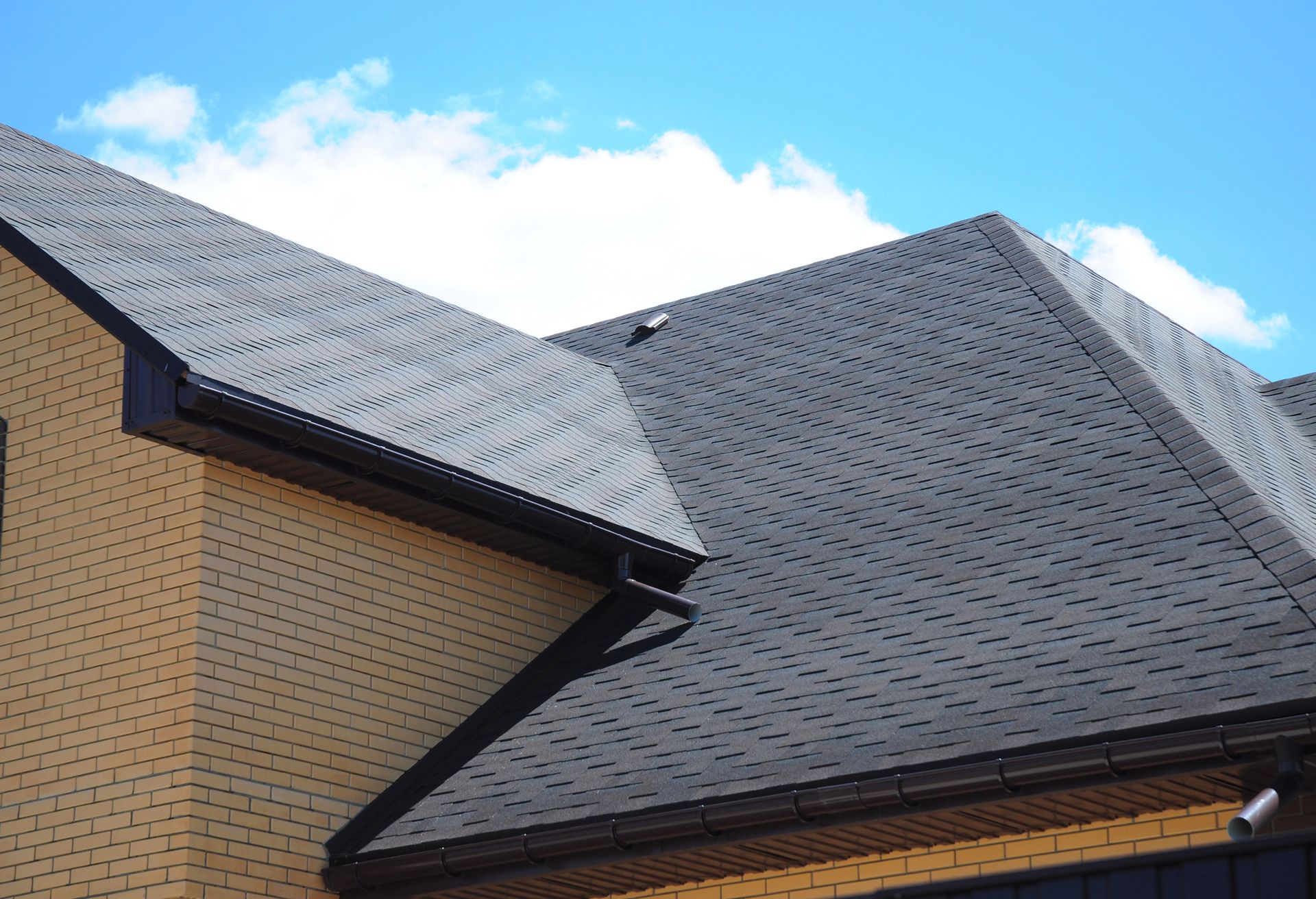
Visual appeal is an important factor for homeowners selecting roofing materials, and both asphalt shingles and metal roofing service offers diverse style options. Asphalt shingles come in a wide variety of colors and textures, complementing different home aesthetics. Metal roofing has also expanded its color palette and designs, allowing it to emulate materials like slate or wood. Both options provide versatile choices, catering to varied preferences in home design.
Architectural style heavily influences roofing selection. Asphalt shingles work well with traditional home designs and varied roof shapes, while metal roofing suits modern, contemporary, or unique styles. Its sleek and minimalist appearance aligns with modern design principles, while still offering durability. The adaptability of both materials allows homeowners to achieve a cohesive and harmonious look for their property.
Trends and customization continue to shape roofing service choices. Asphalt shingles allow for extensive color, pattern, and texture options, while metal roofing can emulate shakes, tiles, or other materials for a distinctive look. Rising interest in energy efficiency and sustainable practices has increased metal roofing's popularity among forward-thinking homeowners. Careful selection of material and style can enhance curb appeal, first impressions, and overall satisfaction with a home’s exterior.
Energy Efficiency and Recyclability
The environmental impact of roofing materials begins with sourcing and manufacturing. Asphalt shingles are petroleum-based, contributing to resource depletion and carbon emissions, while metal roofing often contains recycled aluminum or steel and produces fewer emissions. Considering the environmental footprint at the source helps homeowners choose roofing service options that align with greener living priorities.
Energy efficiency is another key consideration. Metal roofing reflects sunlight, reducing cooling needs and lowering energy use, while standard asphalt shingles absorb more heat, though reflective options can help mitigate this effect. Pairing either roofing type with high-quality attic insulation further optimizes energy conservation and enhances sustainability.
Furthermore, metal roofing is often recyclable and increasingly made from recycled materials, supporting a circular economy, whereas asphalt shingles are less recyclable. Eco-friendly certifications, such as Energy Star for shingles and Cool Roof for metal, guide homeowners toward environmentally responsible options. Understanding these factors helps select roofs that minimize ecological impact and promote long-term sustainability.
Installation Requirements and Skill
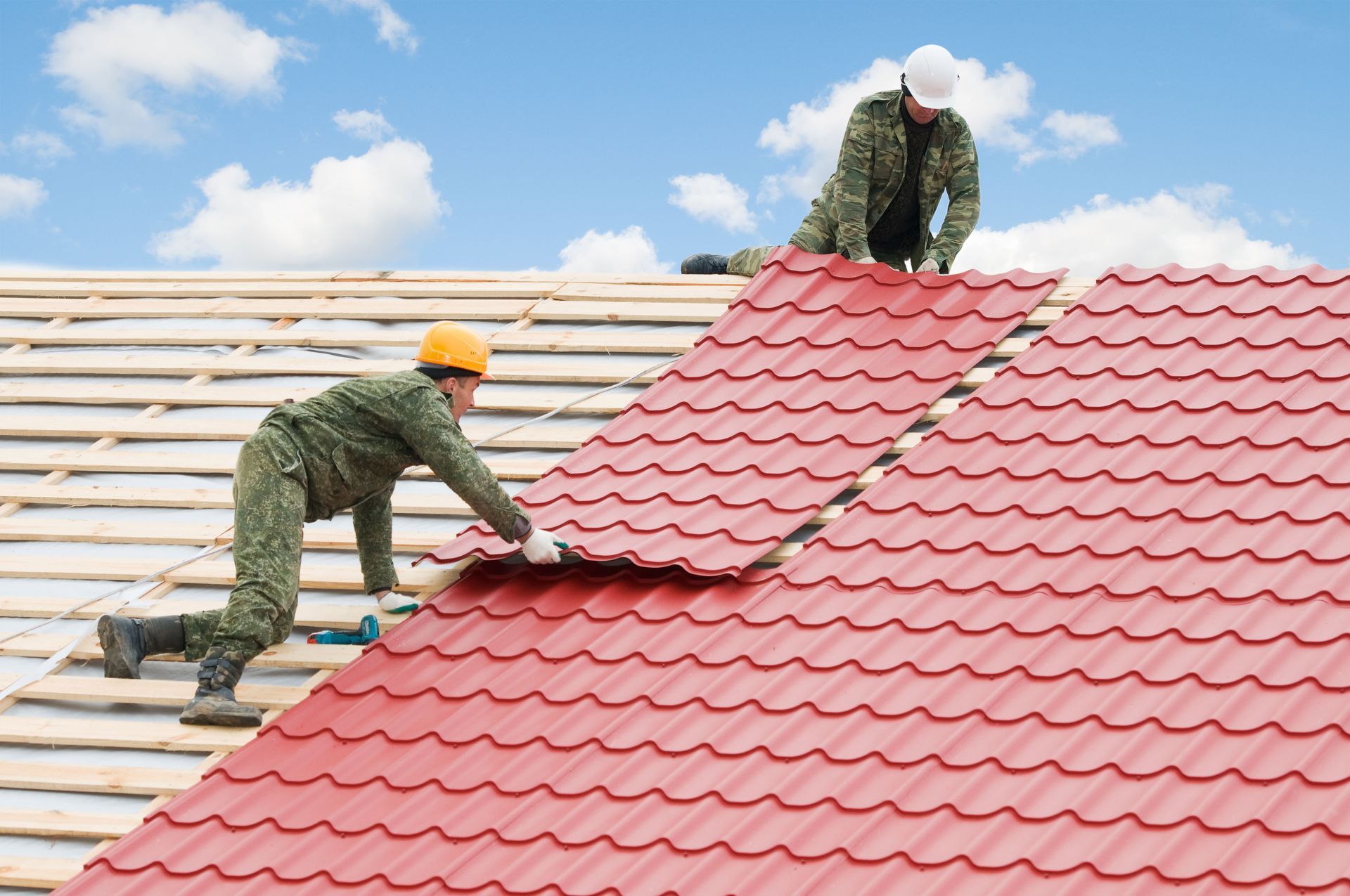
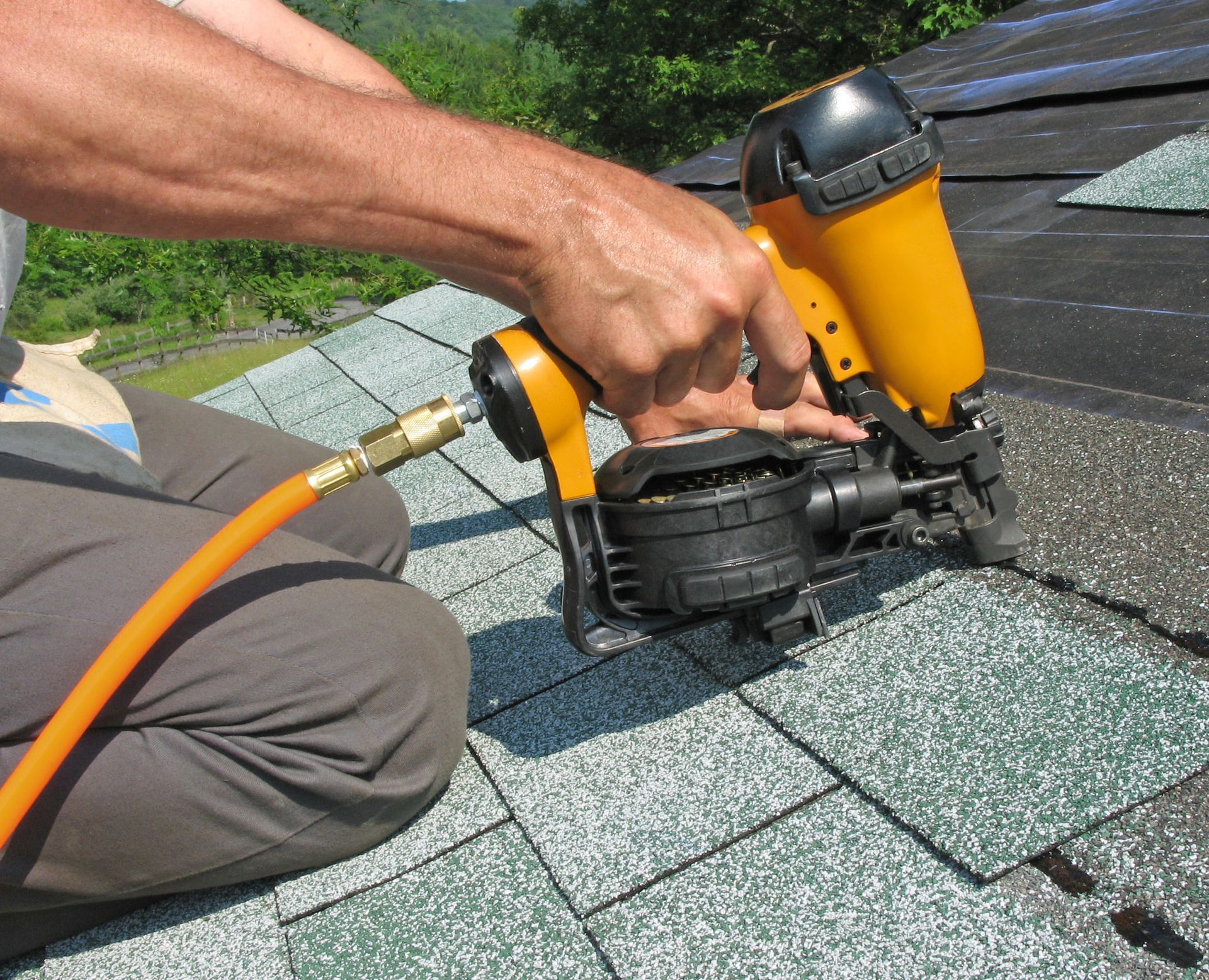
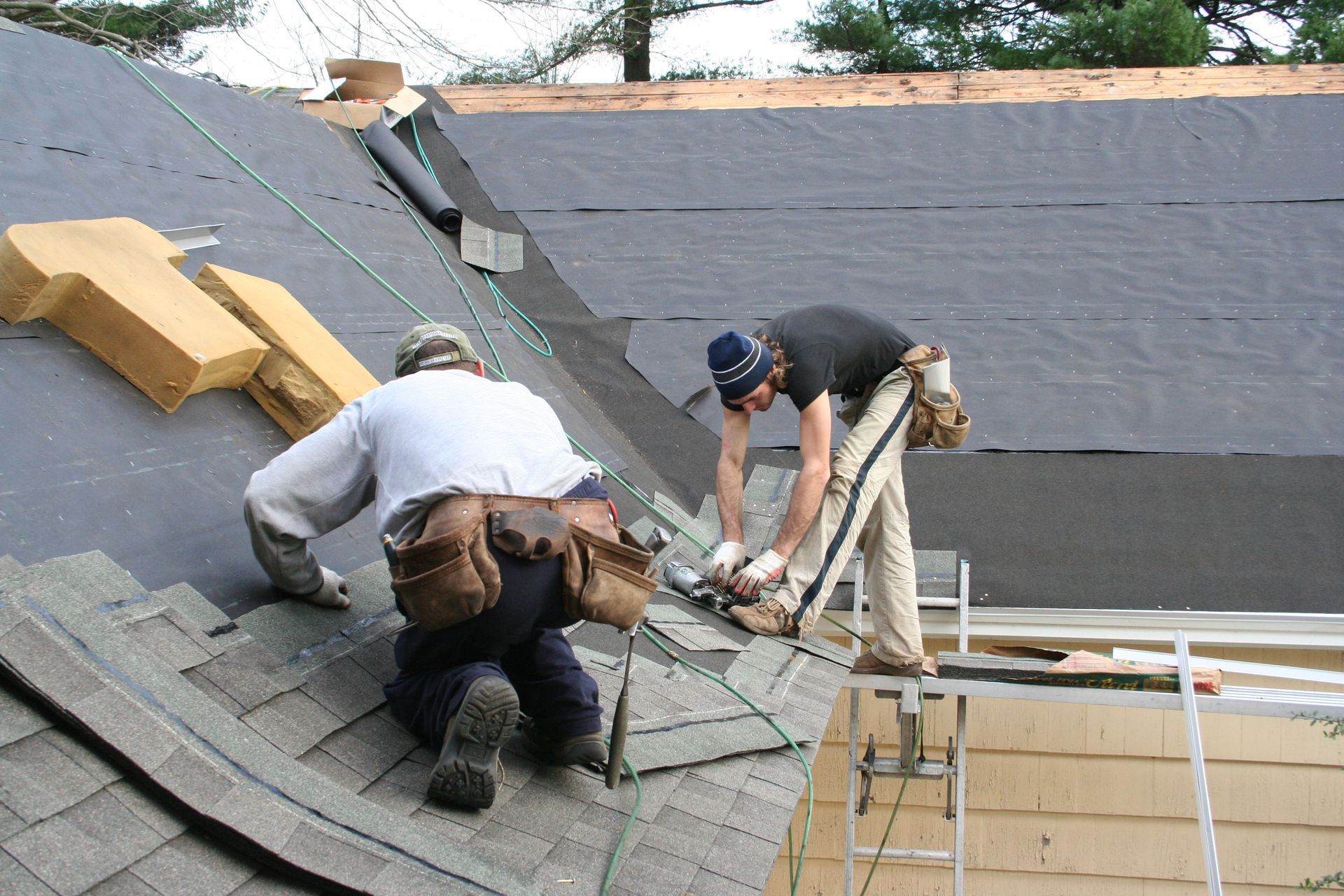
Installation complexity and timing are important when selecting roofing materials. Asphalt shingles are relatively easy to install due to their flexibility and can be completed quickly by professional contractors, minimizing disruptions. Metal roofing requires specialized skills, tools, and more time, so homeowners should consider project timelines when choosing materials.
Skill level and expertise further differentiate roofing service types. Asphalt shingles are accessible to general contractors, while metal roofing demands precise panel sizing and fastening techniques handled by experienced professionals. Hiring skilled installers guarantees the roof performs optimally and lasts as intended.
Structural and weather considerations also play a role. Asphalt shingles are lightweight and compatible with most standard home structures, while metal roofing is even lighter and can cover expansive areas without additional support. Asphalt installation is best in dry conditions, whereas metal roofing tolerates a wider range of weather. Planning around structural capacity and seasonal conditions helps promote smooth installation and long-term performance.
Maintenance and Care Needs
Regular cleaning and upkeep help maintain both the appearance and function of materials. Asphalt shingles require periodic cleaning to remove debris and prevent algae growth, while metal roofing is low-maintenance due to its smooth surface. Proactive debris removal for both types prevents water pooling and potential damage, preserving the roof’s lifespan and visual appeal. Routine inspections are essential for catching early damage and reducing repair needs.
Homeowners should check asphalt shingles for missing pieces, curling edges, or granule loss, while metal roofs need panel and fastener assessments to maintain stability. Prioritizing regular inspections helps prevent costly issues and maintains long-term performance, even under extreme weather conditions.
Pest control and seasonal readiness further protect product integrity. Asphalt shingles can attract pests if unchecked, whereas metal roofing naturally limits animal access. Seasonal checks, such as monitoring for snow accumulation or shingle displacement, support both roofing types in withstanding weather stress. Professional maintenance services can complement homeowners' efforts, providing expertise to address repairs, clean surfaces, and maintain structural reliability.
After exploring the various factors discussed above, homeowners can make a well-informed choice between asphalt shingles and metal roofing. Each material comes with its own benefits and challenges, so weighing the characteristics that align with your specific needs and priorities is crucial for a successful roofing service choice. Prioritizing factors like cost, durability, aesthetics, environmental impact, and maintenance promotes a comprehensive approach to decision-making. The choice between these two popular materials ultimately shapes the long-term value, practicality, and attractiveness of any dwelling. Ready for a stronger, longer-lasting roof? Request your free consultation with Southeast Roofing & Construction and get started today.